


As more airlines in the post-COVID-19 era pursue ambitious cabin makeovers, sustainability has not
been overlooked in replacement seating. Legacy components are being reused, and production waste
materials are being directed away from landfills.
“The aftermarket for seat materials has always been an active but tough one due to the high level of
customization required by the airlines,” says Gary Weissel, managing officer of Tronos Aviation
Consulting. “However, a significant number of parts used on one airline’s seats may not be
interchangeable with another airline’s seats, even though they may be the same seat model.”
Still, seat manufacturers are designing their products with more recyclable content, Weissel says. He
notes that at the recent Aircraft Interiors Expo, a number of companies advertised their recycling of
cushions and covers. “That’s something we haven’t seen previously,” he says.
UK-based Acro Aircraft Seating entered into a structured collaboration three years ago with the Aircraft
Interior Recycling Association (AIRA) through the Green Cabin Alliance. The manufacturer’s Series 3,
6 and 9 economy seats have been independently audited by AIRA for recyclability assessment and to
ensure full disassembly, material identification and emissions modeling, says Al Roots, Acro’s chief
industrial designer.
“AIRA has assigned unique recycling codes to every Acro part, enabling rapid identification, clean
material separation and efficient end-of-life routing,” Roots says. “These codes are now embedded in
Acro’s Component Recycling Manual, giving operators a validated pathway to recycle seats
responsibly rather than defaulting to landfill or mixed scrap.”
Acro’s current portfolio also includes its Series 7 seat, designed for the domestic business-class
market. Premium seating presents its own recycling challenges, says Tony Seville, technical director
of AIRA and the alliance’s AIRA-Q database of recyclable cabin materials.
“There are more components and more material types, increasing the risk of contamination if not
separated cleanly at end of life,” Seville explains. “Acro’s collaboration with AIRA ensures that, even
where complexity exists, components are clearly identified and mapped to known recycling pathways.”
Cabin refurbishment programs are also focusing on reducing waste and using materials that “can
retain value beyond their first use,” says Nicola Rapley, director of marketing and aviation sales at Gen
Phoenix. The UK-based company manufactures recycled leather products under the ELeather name.
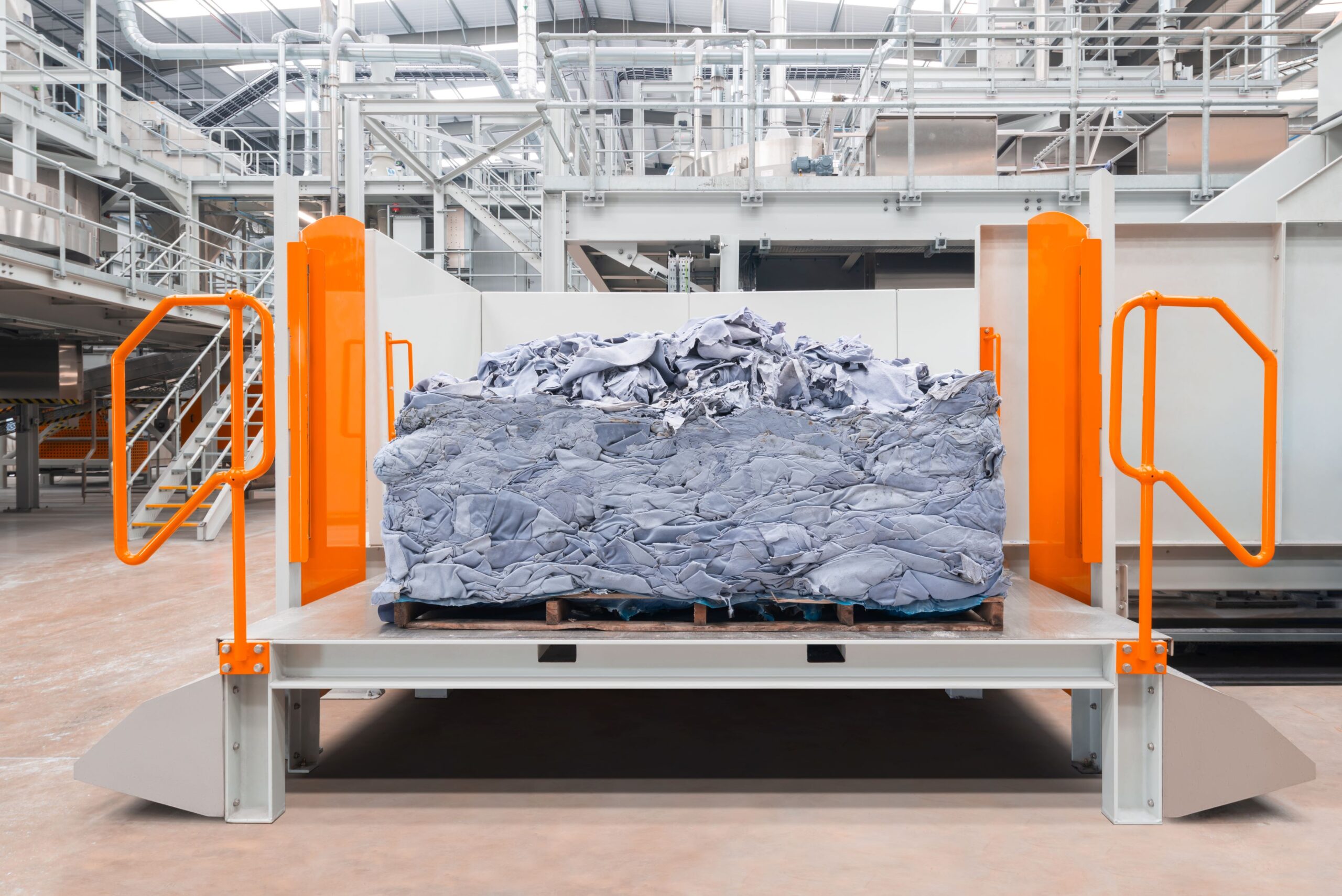
“More than 1 million aircraft seat dress covers are discarded annually, with most ending up in landfill or
incineration,” Rapley says. “Through our proprietary manufacturing process, we recover leather fibers
that would otherwise be discarded and engineer them into high-performance materials that meet the
durability and aesthetic standards.”
To date, Gen Phoenix has diverted more than 18,000 tons of leather waste from landfills through its
circular manufacturing platform, she says.
Rapley also reports growing interest in seat cover designs that enable future recovery and recycling.
“Historically, many seat cover materials have been difficult to [recycle] at end of life, mostly due to their
construction and combination with other materials and components that can be difficult to separate,”
she says.
Any selection of sustainable materials in aircraft seating will inevitably involve trade-offs. One is weight
versus sustainability, says Jean-Christophe Gaudeau, vice president of marketing at Safran Seats.
“Some recycled or sustainable materials don’t always match the weight performance of optimized
legacy solutions, and weight remains the strongest lever for reducing emissions,” he says.
“[The second trade-off] is certification and safety,” he says. “All materials must meet very stringent fire,
smoke and toxicity requirements, which can limit material choices or require additives that complicate
recycling.” Gaudeau adds that durability and integration also present challenges, since new
sustainable materials might not integrate seamlessly into existing seat architectures and can introduce
engineering complexity or require redesign.
“Finally, there is cost and scalability,” Gaudeau says. “Many circular or bio-based solutions are still
emerging and [are] not yet as industrialized as traditional materials.
“Overall, the industry is balancing sustainability gains with the need to maintain weight, performance,
certification and cost competitiveness,” he adds.
Gaudeau says that Safran Seats is actively exploring the use of all production scrap materials, such
as plastics, to improve sustainability and recyclability of its materials.
“Our teams are also looking at other innovative and sustainable materials, some stemming from the
broader circular economy,” he explains. “For example, we have showcased Circle, a demonstrator
with more than 19 innovative solutions, using not only recycled plastics but also alternative materials
such as recycled faux leather for headrests and recycled carbon fiber for creating panels or secondary
structural parts.
“While plastics stand out as the most promising material for recycling initiatives at this stage, we
continue to investigate and develop other solutions,” Gaudeau adds.
Gaudeau says Safran’s seats are composed of 50-90% recyclable materials. “We need to increase
that but also make sure this recycling actually takes place,” he says. “That is why we are currently
preparing solutions for dismantling, reusing parts and recycling components.”