



How using recycled leather for seat covers is reducing landfill
Even away from the activity of flying aircraft, Wizz Air has become something of a pioneer in terms of pursuing sustainable goals.
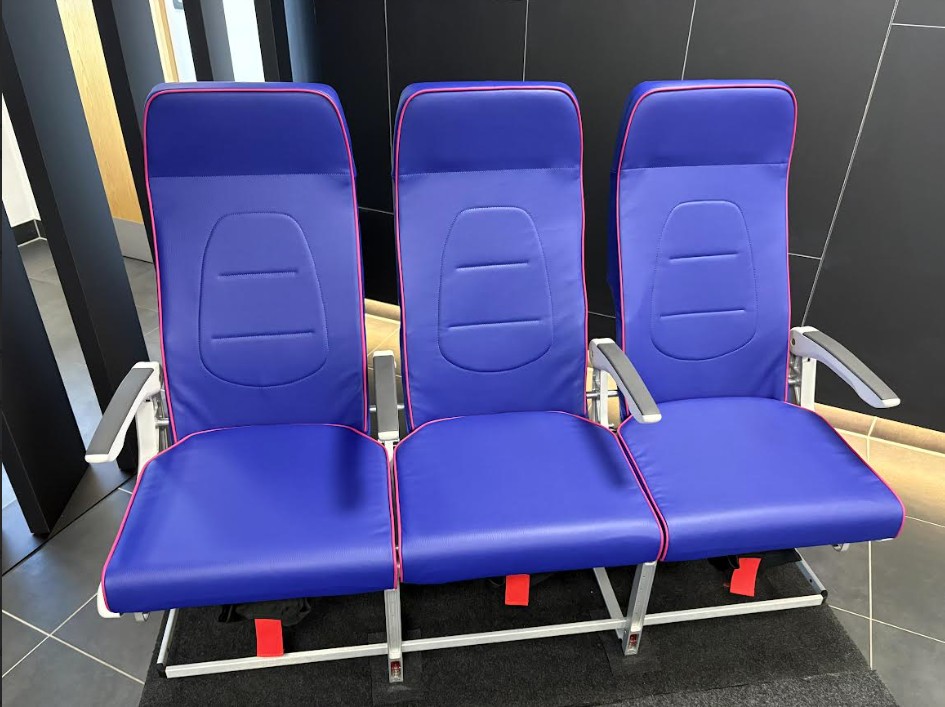
One such example of this is the company’s longstanding partnership with Gen Phoenix. This Peterborough-based firm utilises offcuts from the leather manufacturing industry and, rather than casting them to landfill, the company repurposes them for use as high-quality seat covers onboard Wizz Air planes.
As explained by John Kennedy, the UK company’s CEO, “Gen Phoenix is delivering a new generation of materials for a new era of sustainability. Through our revolutionary circular process, we rescue leather offcuts destined for landfill and regenerate them into a premium alternative leather material coveted for its durability.”
Kennedy added that since the company’s founding in 2007, Gen Phoenix has diverted thousands of tons of material from landfill and has created thousands of new products, including aircraft and other transport seat covers, luggage items, and even covers for Amazon Kindle devices. In terms of manufacturing seat covers for Wizz Air, Gen Phoenix states :
- 78% less carbon emissions are produced if Wizz Air bought real leather seats
- Water consumption is a 87% reduction from traditional leather manufacturing with 95% being recycled water.
- Waste savings of 17 tonnes from the supplied quantity of 1,000,000 m2
- Carbon savings of 7,300 tonnes of carbon dioxide equivalent per year due to the weight reduction of the final product
- The entire Wizz fleet now uses Gen Phoenix seating materials
How the process works
The process to turn waste leather into a reusable leather product is multistage, but one that Wizz Air has supported since 2012. The end result sees Gen Phoenix produce the thick leather-like covers that are then dyed and used to cover the seats on all the carrier’s Airbus aircraft.

Initially, large bundles of leather waste are rescued from other leather goods manufacturers and is broken down by machines at Gen Phoenix into smaller flakes. These flakes (or ‘trimmings’) are then granulated into smaller pieces and milled into soft fibres. Heated and compressed, the lather is then rolled into sheets of uniform leather fibre web.
Once done, two layers of fibre web and textile core are woven together using highly pressurised water before being bathed in natural oils to replenish properties lost during the tanning process. Lastly, coatings are applied to the leather fibre based on the customers’ colour, feel and finish requirements.
Wizz Air is clearly proud of its association with Gen Phoenix, having relied on the company to produce the seat covers for all its A321neo aircraft. The seat covers are light, saving on aircraft weight, durable and can be easily cleaned rather than replaced – again, saving Wizz Air money in terms of cost and reducing waste into the environment.
Kennedy added that Gen Phoenix’s partnership with Wizz Air has been advantageous for the environment. “We have achieved economies of scale with Wizz Air, he said. “Sustainability ultimately relies on scale, and our customers all believe that they are doing the right thing for sustainability by using our product for their requirements, including Wizz Air.