

Gen Phoenix is a UK-based company that converts discarded leather into premium, luxurious materials with significantly reduced environmental impact. The company emphasises a collaborative approach, working closely with clients to develop bespoke solutions and challenging them to reconsider their needs for truly impactful outcomes [2].
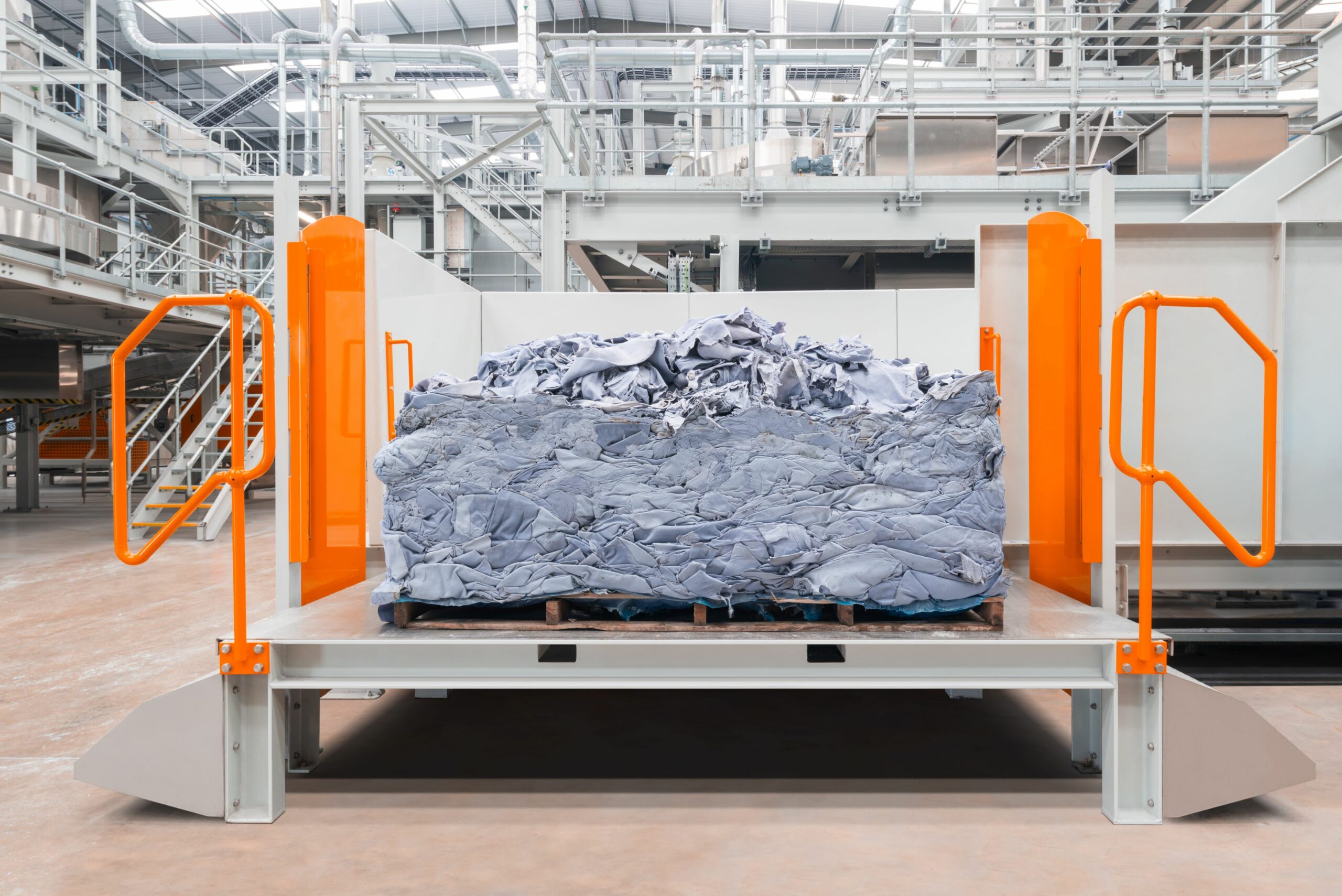
Overview of the finished material rolls. Source: Gen Phoenix
We interviewed Elyse Winer, chief marketing officer at Gen Phoenix, to learn more.
What and why?
Q: What inspired the development of Gen Phoenix’s innovation and what specific industry problem does it address?
EW: Gen Phoenix was born out of a desire to tackle the problem of leather waste. Each year, millions of tonnes of leather and textiles end up in landfills or are incinerated. Our team saw an opportunity to lower environmental impact and give that material a second life, without compromising quality or aesthetics. Our innovation focuses on scaling our circular solutions, because impact only matters at scale.
Q: Can you describe the key benefits or advantages of your solution compared to existing approaches?
EW: Our material offers an 80% lowered carbon footprint from traditional leather all while being high-performance, cost-effective and scalable for global use. It’s about preserving the quality of luxury while reducing its environmental cost. That’s where material innovation becomes a creative asset, not a compromise.
This approach been validated in industries like aviation, bus and rail seating – leather goods and industries unwilling to compromise on their rigorous performance standards in the pursuit of sustainable solutions.
What also sets us apart is our collaborative approach. We co-develop both the product and strategy with our partners. That kind of deep partnership speeds up innovation and leads to more cohesive and credible results. It’s not transactional – it’s transformative.
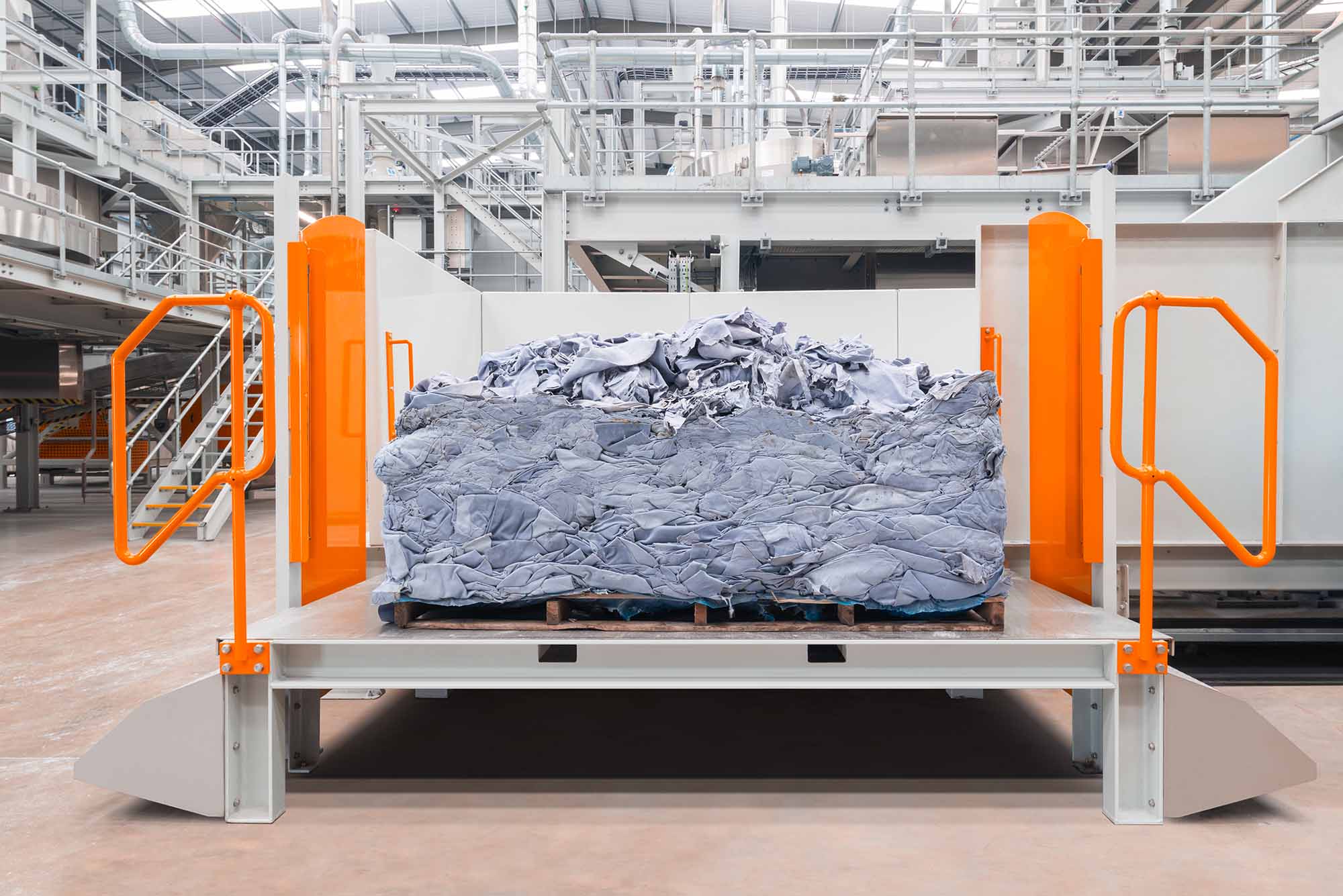
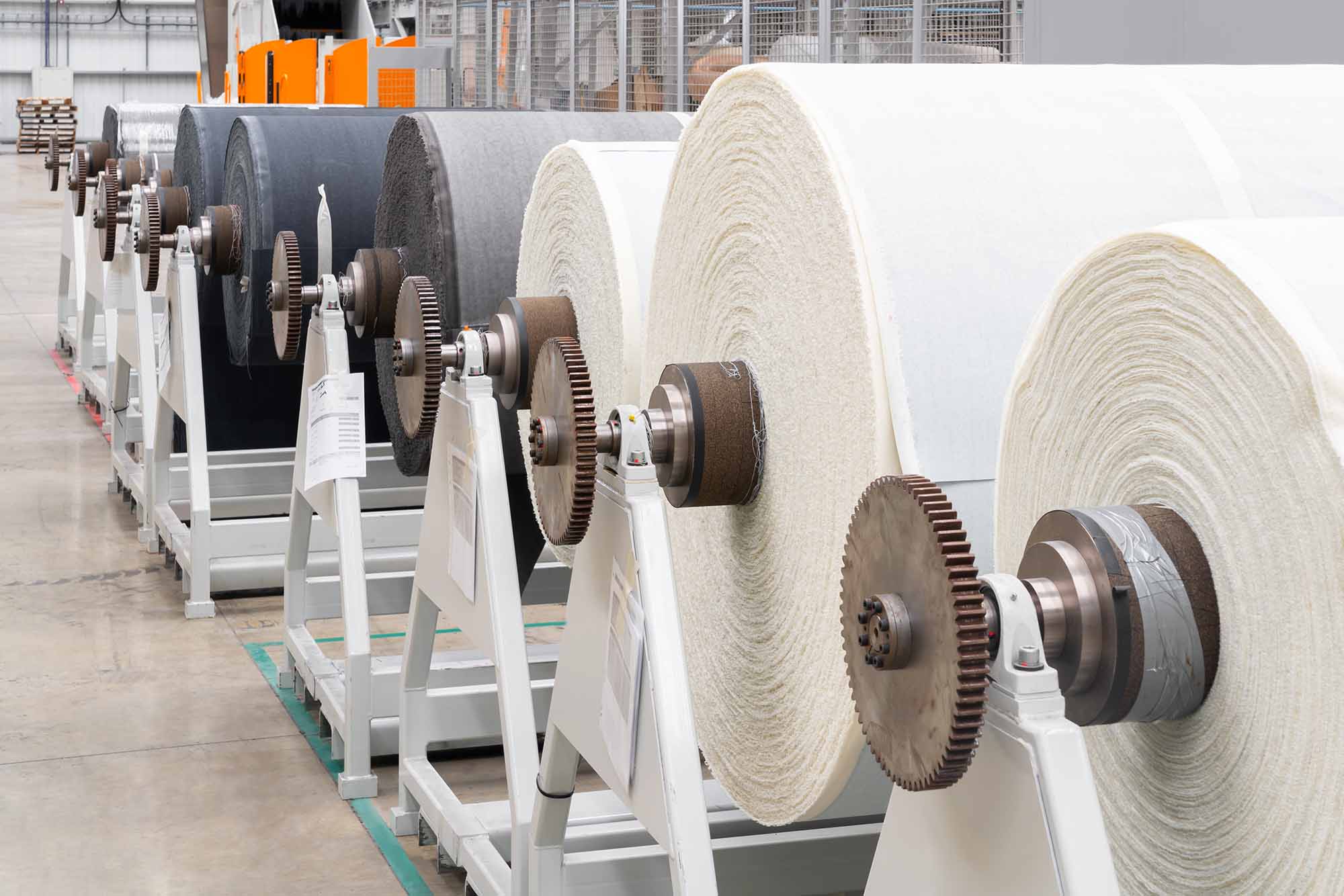
Wet blue leather waste is one feedstock utilised by Gen Phoenix to craft new, alternative materials. Source: Gen Phoenix
Commercialisation and market reception
Q: What challenges did the company face during its development or commercialisation process and how did they overcome them?
EW: One of the biggest challenges has been integrating next-gen materials into legacy systems that weren’t built for them. The traditional, linear supply chain for materials is optimised for predictability, not innovation.
In order to embrace and scale up new material innovations in the sustainability categories, everything from design to manufacturing to storage needs to be rethought. But circularity requires adaptability – a spirit of progress over perfection in order to make meaningful environmental impact.
Sustainable materials often require new thinking across design, sourcing and manufacturing. But that challenge is also the opportunity – it encourages brands to evolve. The more we as material innovators engage early in product development, the more seamless the integration becomes.
We found success by deeply collaborating with our partners, opening up the walls of our factory and co-engineering products together. The good news is, once brands invest in that partnership, it pays dividends across their innovation pipeline. Our work with Coach on its Coachtopia range is a prime example.
Q: How has your material been received in the market so far and what textile applications are you focusing on?
EW: The market response has been exceptionally positive. Our materials have been well received across a range of industries – particularly in sectors where sustainability, performance and durability are essential.
We’ve established successful partnerships with brands like Coach and Dr. Martens and our materials are currently in use with over 250 airlines, providing strong market validation for our high-performance, sustainable circular material solutions.
Our focus is on high-impact applications that traditionally rely on leather or synthetic alternatives – such as seating, footwear and fashion accessories. As demand for circular and environmentally responsible materials continues to accelerate, we’re expanding into markets where we can help brands meet their sustainability goals without sacrificing quality or aesthetics.
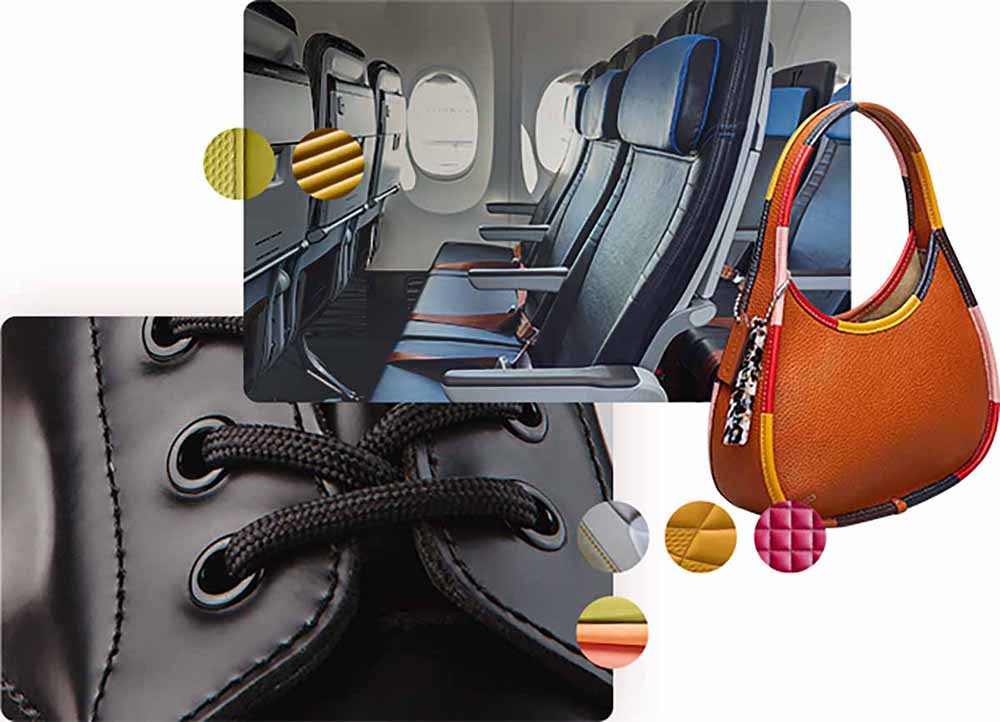
Gen Phoenix target an array of end application sectors, including fashion, footwear and transport. Source: Gen Phoenix
What’s next?
Q: What are the company’s next steps for development or expansion and how can the industry support those goals?
EW: We’re focused on continuing to scale our impact, making circular materials the norm, not the niche. That means scaling access, continuing to lower the environmental impact of our materials and constantly pushing innovation forward.
Next up in our innovation pipeline? Helios – our closed loop material solution that leverages post-industrial and end-of-life, post-consumer waste to create fully circular materials, solving a major waste challenge for brands across the markets we serve. We see a future where waste becomes the starting point for the world’s best products – where consumers see waste as not something to hide, but something to celebrate.
To solve climate change, it truly takes a village. But new-to-the-world material solutions demand new-to-the-world ways of working. The industry can support us by throwing out the traditional supplier/brand playbook and embracing partnership and a one-team mentality.
Regulations are driving movement, but its proactive partnerships that will truly align the value chain and drive the transformation needed to reshape the future of materials.